
How to Choose Home Accents for Apartments
Table of Contents
- How to Choose Home Accents for Apartments: A Framework
- How to Choose an Accent Color for a Room
- Small Apartment Decorating Ideas That Actually Work
- Small Bedroom Lighting Ideas to Transform Your Space
- Renter-Friendly Apartment Decor Without Permanent Changes
- Budgeting and Shopping Priorities for Apartment Accents
- Common Mistakes to Avoid When Selecting Apartment Accents
- Frequently Asked Questions
Last Updated: October 16, 2026
How to Choose Home Accents for Apartments: A Framework
Learning how to choose home accents for apartments is one of the most effective ways to transform a rental space into a home that feels truly yours. Unlike permanent renovations, accents let you personalize without losing your security deposit. But picking the wrong pieces wastes money and creates clutter instead of coziness.
The challenge isn't finding items, it's choosing ones that fit your space, budget, and rental restrictions. This guide walks you through a proven framework for selecting apartment accents that actually work.
What Makes an Accent Work in a Rental
An accent is any decorative item that adds personality without being built-in. Think throw pillows, area rugs, wall art, plants, lighting, and shelving.
Removability matters because landlords. You need pieces you can take when you move without damaging walls or floors. But it opens doors to floating shelves with invisible mounts, removable wall decals, adhesive hooks, and freestanding pieces.

Scale matters in small spaces. A huge sectional sofa swallows a studio apartment. A single large piece of wall art can anchor a room better than five small ones. Choose accents proportional to your actual square footage, not the apartment you wish you had.
The Five-Step Selection Process
Follow this process to avoid impulse buys and mismatched pieces.
Step 1: Define your room's function and mood. Before shopping, write down what each room needs to feel like.
Step 2: Identify your color anchor. Pick one main color that will dominate the room. This becomes your foundation. Everything else coordinates around it.
Step 3: Choose your accent color. This is the pop of color that makes a room feel intentional.
Step 4: Select textures and materials. Mix soft and hard surfaces. Pair a wool area rug with a leather chair.
Step 5: Test before committing. Buy one or two pieces first. Live with them for a week.
How to Choose an Accent Color for a Room
An accent color is the secondary color that adds personality and visual interest. It should appear in 20-30% of the room, not more. Too much accent color overwhelms small spaces.
Finding Your Accent Color
Start with colors you naturally love. Look at clothes you wear repeatedly, photos you save, or designs that catch your eye. Your instinct usually knows what works for you.
Consider your room's natural light. North-facing rooms feel cooler, so warm accent colors (terracotta, warm gold, deep red) add coziness. South-facing rooms get bright light, so cool accents (navy, emerald, soft blue) feel balanced.
Test colors in your actual space before buying. Paint swatches on your wall. Bring fabric samples home. Lighting in stores differs wildly from home lighting.
Neutral anchors give you flexibility. If your main furniture is white, gray, or beige, nearly any accent color works.
Testing Before You Commit
Don't buy a full set of accent pillows in a new color without testing it first. Buy one pillow. Live with it for a week. Notice how it looks at different times of day, in different lighting, next to your actual furniture.
This step saves hundreds of dollars. Many people buy accent pieces that looked perfect in the store but feel wrong at home. A week of testing prevents expensive mistakes.
Small Apartment Decorating Ideas That Actually Work
Small spaces demand intentional choices. Every piece should earn its place by serving a function or adding genuine beauty, ideally both.
Vertical Storage and Display
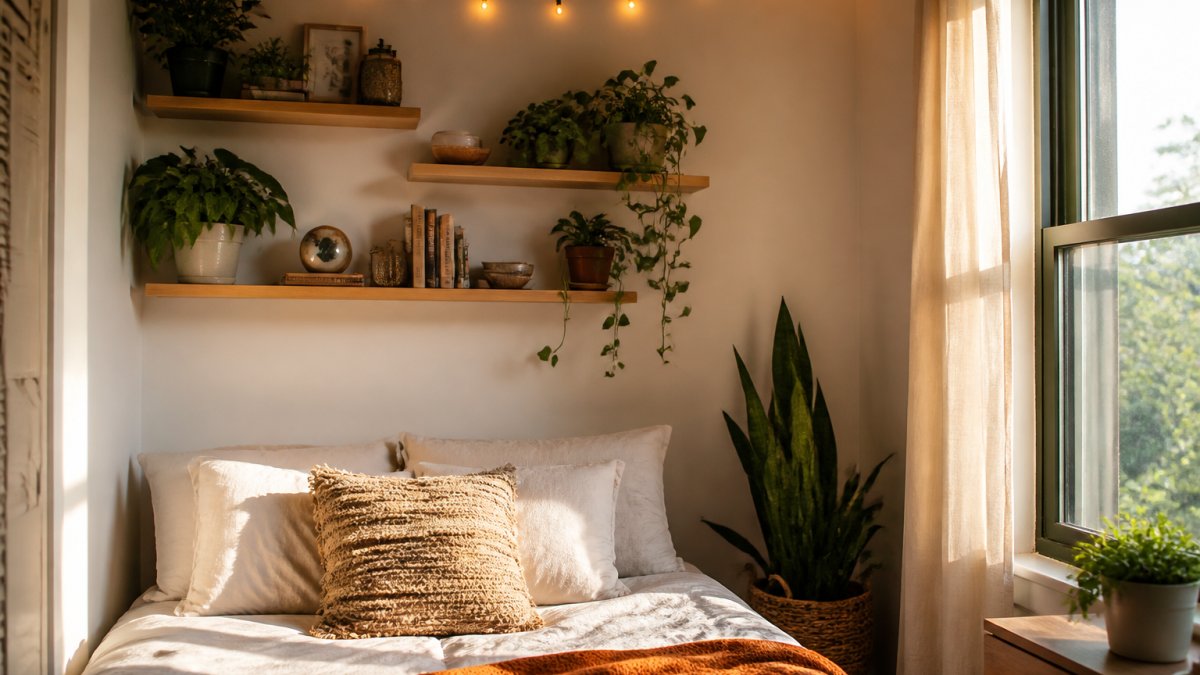
Use your walls. Floor space is precious in apartments, but walls are free. Floating shelves store books, plants, and decorative items without taking up room. The Stylish 2-Piece Floating Wall Shelf Set offers invisible mounts so shelves appear to float, creating an airy look that works in tight spaces.

Mount shelves at different heights to create visual interest. Don't line them up in a grid, stagger them. This breaks up the wall and makes the room feel less institutional.
Lean artwork against shelves instead of hanging it. This works in rentals because no nail holes. Rotate pieces seasonally to refresh your space without buying new items.
Layering Textures and Materials
A room with only one texture feels flat. Mix materials to create depth and interest. Pair a smooth ceramic vase with a woven basket. Add a velvet pillow next to a linen one.
This layering technique works especially well in small spaces because it makes rooms feel more intentional and curated. It's the difference between a sparse apartment and a thoughtfully decorated one.
Plants add natural texture and life. Real plants need maintenance, but artificial plants work beautifully in rentals. The 12-Inch Artificial Green Eucalyptus Arrangement in Elegant Blown Glass Vase provides the visual benefit of greenery without watering or worrying about sunlight.
Small Bedroom Lighting Ideas to Transform Your Space
Lighting transforms mood more than any other single element. A bedroom lit only by overhead lights feels institutional. Layered lighting creates coziness and functionality.
Ambient, Task, and Accent Lighting Basics
Ambient lighting is your base layer, the overall brightness that lets you see. Overhead fixtures provide this, but they're often too harsh alone.
Task lighting focuses light where you need it. Bedside lamps let you read without overhead lights. A desk lamp illuminates work surfaces.
Accent lighting creates mood. String lights, wall sconces, or small lamps add warmth and personality. This is where you create the cozy feeling that makes a space feel like home.
Layer all three types. Start with dimmable overhead lights. Add bedside lamps. Then add accent lighting, maybe string lights above the headboard or a small lamp on a shelf.
Space-Saving Lighting Fixtures
Wall-mounted sconces save floor and table space. They provide task lighting without taking up surface area. Install one on each side of the bed for reading without overhead lights.
Stylish 2-Piece Floating Wall Shelf Set - 14.96" Wood Shelves for Books, Plants →
String lights add ambient warmth without taking up room. Hang them above your bed, along a shelf, or around a window. They're renter-friendly if you use removable hooks or adhesive strips.
Clip-on lamps work for renters. They mount to shelves, headboards, or furniture without permanent installation. They provide focused light exactly where you need it.
Renter-Friendly Apartment Decor Without Permanent Changes
Your landlord's rules matter. Choosing renter-safe accents means you keep your security deposit and can take your favorite pieces when you move.
Removable Wall Solutions
Removable wall decals let you add patterns and designs without paint or wallpaper. They peel off cleanly and leave no residue.
Adhesive hooks hold lightweight items, small shelves, mirrors, artwork. Test them on a small area first to make sure they don't damage your walls.
Removable wallpaper sticks like contact paper but peels off without damage. It works on accent walls or inside closets.
Command strips and similar adhesive solutions work for heavier items than hooks. They're designed to remove cleanly. Follow instructions carefully, slow removal prevents wall damage.
Lean artwork against walls instead of hanging it. This works especially well in apartments where you can't commit to hole placement.
Move-Out Checklist
Before you leave, walk through your apartment with your lease in hand. Remove all your accents and decorations. Fill nail holes with spackling paste. Use a magic eraser on scuffs and marks. Vacuum or sweep thoroughly.
Take photos of each room after you've removed your items. This protects you if your landlord claims you caused damage. Document the condition before you move out.
Check baseboards, light fixtures, and inside cabinets. Small items left behind cost you money. Rental companies charge fees for anything left in the space.
Budgeting and Shopping Priorities for Apartment Accents
Money spent on accents should feel intentional, not scattered. Prioritize strategically so your budget creates the biggest visual impact.
Where to Invest First
Invest in items you use daily or see constantly. A quality area rug affects how your living room looks and feels every single day.
Lighting matters more than most people realize. One good lamp creates more impact than five mediocre decorative items.
Wall treatments come next. Floating shelves, removable wallpaper, or wall decals transform a blank wall for reasonable cost. The Rustic Wooden Floating Shelf Set offers six pieces for under $51, creating substantial wall impact without breaking your budget.

Textiles, pillows, throws, rugs, create coziness affordably. These items also move with you, so they're good investments. Buy quality basics in neutral colors, then add accent pieces seasonally.
Building Your Collection Over Time
Don't buy everything at once. Start with foundational pieces, neutral furniture, basic lighting, one area rug. Then add accents gradually as you find pieces you love.
This approach saves money and prevents buyer's remorse. You discover what actually works in your space before committing to more pieces. You also avoid the cluttered feeling that comes from too many items at once.
Shop secondhand for items that don't need to be new. Thrift stores, consignment shops, and online marketplaces have affordable furniture, mirrors, and decorative pieces.
Quality matters more than quantity. One beautiful, well-made pillow beats five cheap ones that pill and fade. One good lamp beats three dim ones.
Common Mistakes to Avoid When Selecting Apartment Accents
Most people make predictable mistakes when decorating apartments. Knowing these helps you avoid wasted money and cluttered spaces.
Choosing color without testing. That gorgeous teal pillow looked perfect in the store.
Ignoring scale. A huge mirror overwhelms a small bedroom. A tiny side table looks lost in a large living room.
Overcrowding surfaces. Every shelf packed with items, every wall covered with art, every surface holding something.
Ignoring your rental agreement. Hanging things that damage walls, using paint the landlord didn't approve, installing fixtures you can't remove.
Mixing too many styles. Bohemian pillows with industrial shelves with farmhouse art creates visual confusion.
Choosing home accents for apartments doesn't require a design degree. Shop our collection of floating shelves, artificial plants, and carefully selected home accents designed for apartments and small spaces. Shop Now and start building a home that feels genuinely yours.
Frequently Asked Questions
How do you choose home accents for a small apartment?
Start by assessing your space's scale and existing color palette. Choose accents that serve a function (throw pillows for comfort, area rugs for warmth) alongside decorative pieces. Prioritize vertical storage like floating shelves to maximize space without clutter. Select 2-3 key accent colors and stick to them across the room. For apartments, focus on removable options like wall decals, string lights, and furniture-mounted accessories rather than permanent fixtures. Quality matters more than quantity, a few thoughtfully chosen pieces create a cohesive, intentional look.
What's the best way to choose an accent color for a room?
Begin with your room's existing neutrals, wall color, flooring, and major furniture. Pull inspiration from a piece you love: a favorite throw pillow, artwork, or rug. Test your accent color by introducing it in small amounts first (a single pillow, a small plant, a wall decal) to see how it feels in your space's natural light. Ensure your accent color appears in at least three places in the room to create visual balance. Avoid overwhelming the space by limiting your accent color to 20-30% of the room's total visual area.
How can I make my small apartment feel cozy without creating clutter?
Layer lighting to create mood: combine overhead fixtures with soft task lighting like table lamps or sconces, and add ambient touches with string lights or LED candles. Use area rugs to define zones and add warmth underfoot. Incorporate soft furnishings, throw blankets, cushions, and upholstered chairs, that invite sitting and relaxation. Display meaningful items (books, plants, family photos) on shelving rather than scattering them across surfaces. The key is intentional placement: every accent should either function practically or hold personal meaning, making your space feel curated rather than cluttered.
What home accents are truly renter-friendly and won't cost me my security deposit?
Stick to removable solutions: adhesive wall decals, removable wallpaper, and command-style hooks that leave no residue. Use furniture-based storage like floating shelves with invisible mounts (which can be patched easily) rather than permanently anchored built-ins. Throw pillows, area rugs, and string lights are all temporary and move with you. Avoid painting, drilling large holes, or installing permanent fixtures. Before installing anything, check your lease and test removal on a small, hidden area first. Document your apartment's original condition with photos so you can restore it completely when you move.