
How to Choose Durable Pet Travel Bowls
Table of Contents
- Why Material Matters for Durable Pet Travel Bowls
- Best Material for Pet Bowls: Pros and Cons Comparison
- Pet Bowl Size Guide: Matching Capacity to Your Pet
- Leakproof Dog Travel Bowl Features That Actually Work
- How to Clean Pet Travel Bowls on the Go
- Durability Testing: What to Look For Before You Buy
- Matching Bowl Type to Your Travel Context
- Frequently Asked Questions
Last Updated: October 14, 2026
Why Material Matters for Durable Pet Travel Bowls
Choosing the right material is the foundation of finding durable pet travel bowls that survive rough handling, frequent packing, and your pet's feeding habits. The material you select determines how long your bowl lasts, how easy it is to clean on the road, and whether it'll crack under pressure or hold up through years of trips.
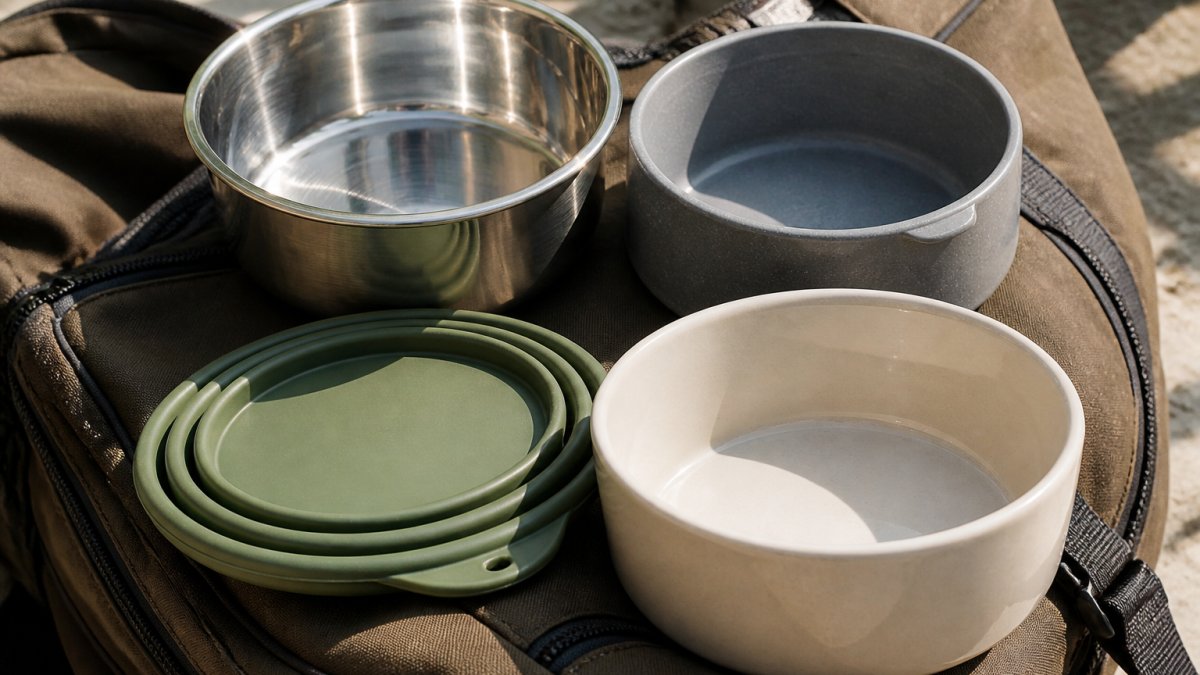
Each material has trade-offs. Some prioritize portability. Others sacrifice weight for durability. Understanding these differences helps you match a bowl to your actual travel style, not just pick whatever's cheapest.
Stainless Steel: Durability and Sanitation
Stainless steel bowls are built to last. They resist dents, scratches, and the kind of rough treatment that destroys plastic alternatives. If your pet is an aggressive chewer or you travel frequently, stainless steel handles both without flinching.
The sanitation advantage is real. Stainless steel doesn't harbor bacteria the way plastic does. It's also dishwasher-safe, which matters when you're cleaning between trips or at a campsite. No porous surfaces means food residue doesn't get trapped.
The downside is weight. A stainless steel bowl takes up noticeable space in a travel bag. For car trips, that's fine. For backpacking or air travel, the extra ounces add up.

Pros:
- Virtually unbreakable and dent-resistant
- Food-safe and easy to sanitize
- Dishwasher-safe for thorough cleaning
- Long lifespan (5+ years typical)
Cons:
- Heavier than alternatives
- Can be noisy when clanging in a bag
- More expensive upfront
Plastic: Lightweight but Limited Lifespan
Plastic bowls are affordable and genuinely lightweight. They're the go-to for travelers counting ounces or flying with pets. A plastic bowl won't shatter if dropped, which appeals to people worried about ceramic breaking mid-trip.
But plastic has a durability ceiling. Scratches accumulate. Discoloration happens. Most plastic bowls develop cracks within 2-3 years of regular use, especially if your pet chews the edges or the bowl gets sat on. Bacteria can hide in those scratches.
Plastic also absorbs odors and stains over time. A bowl that once looked clean starts looking dingy after months of use.
Pros:
- Lightest option available
- Affordable replacement cost
- Won't shatter if dropped
- Good for short trips
Cons:
- Cracks and scratches easily
- Bacteria can hide in damaged areas
- Discolors and retains odors
- Typically lasts 1-3 years
Silicone and Collapsible Options: Portability Trade-offs
Silicone bowls collapse flat, which is their main appeal. They fold down to almost nothing, perfect for backpackers or anyone with limited luggage space. They're also lightweight and won't break.
The catch is durability under pressure. Silicone can tear if your pet has sharp nails or if it gets pinched in luggage. Heat can also warp silicone bowls. Cleaning is straightforward, but the material can retain food odors more than stainless steel.
Collapsible designs are convenient, but convenience comes with a shorter lifespan than rigid alternatives.
Pros:
- Collapses to minimal space
- Lightweight and portable
- Won't shatter
- Flexible for packing
Cons:
- Can tear with sharp nails or rough handling
- May warp in heat
- Retains odors
- Less durable overall
Ceramic: Weight and Breakage Concerns
Ceramic bowls look nice and feel substantial. They're food-safe and don't absorb bacteria like plastic does. For home use, ceramic is excellent.
For travel, ceramic is a liability. It's heavy. It breaks easily. One rough shake in a car or a tumble from a hotel bed and you're buying a replacement. Ceramic also chips, creating sharp edges that can hurt your pet's mouth.
Unless you're driving short distances and can keep the bowl secure, ceramic isn't practical for travel.
Pros:
- Beautiful appearance
- Food-safe and non-porous
- Excellent for stationary use
- Doesn't absorb odors
Cons:
- Breaks or chips easily during travel
- Heavy for portability
- Impractical for frequent trips
- Expensive to replace
Best Material for Pet Bowls: Pros and Cons Comparison
| Material | Durability | Weight | Portability | Best For | Lifespan |
|---|---|---|---|---|---|
| Stainless Steel | Excellent | Heavy | Low | Frequent car travel, aggressive chewers | 5+ years |
| Plastic | Fair | Light | High | Budget-conscious, short trips | 1-3 years |
| Silicone | Good | Very light | Very high | Backpacking, space-limited travel | 2-4 years |
| Ceramic | Poor | Heavy | Low | Home use only, not recommended for travel | 1-2 years |
The best material depends on your travel context. If you're driving and durability matters most, stainless steel wins. If you're flying or backpacking and space is tight, silicone or plastic makes sense. The key is matching the material to your actual use case, not just picking the lightest or cheapest option.
Pet Bowl Size Guide: Matching Capacity to Your Pet
Choosing the right size is as important as choosing the right material. A bowl that's too small means constant refills. A bowl that's too large wastes space and water spills more easily.
Most small dogs and cats need a 1-2 cup capacity. Medium dogs typically need 2-4 cups. Large dogs need 4+ cups. But size isn't just about your pet's weight, it's about how much they eat in one sitting and how often you can refill.
For travel, smaller often makes sense. You're likely feeding your pet less frequently than at home, and a smaller bowl takes up less space. A 1-2 cup collapsible bowl works for most pets on short trips.
Consider the bowl's depth too. Shallow bowls are easier to pack but water spills more. Deeper bowls contain spills better but take up more room.
Leakproof Dog Travel Bowl Features That Actually Work
Spills happen during travel. A bowl that leaks ruins a car interior, hotel room, or luggage. The best leakproof dog travel bowl designs combine two features: a sealed lid and a non-slip base that prevents tipping.
Non-Slip Bases and Stability
A non-slip base matters more than most people realize. A bowl that tips over wastes water and food, and it's frustrating to clean up in tight spaces. Rubber bases or silicone feet grip surfaces and keep the bowl in place, even on smooth hotel tile or a moving vehicle.
Look for bowls with wide, weighted bases. A tall, narrow bowl tips easier than a short, wide one. The wider the footprint, the more stable it is during travel.
Non-slip mats are an option too. Some travelers place a small rubber mat under the bowl for extra grip, which works in a pinch.
What to look for:
- Rubber or silicone non-slip base
- Wide, stable footprint
- Weighted design that resists tipping
- Textured bottom surface
Sealed Lids and Spill-Resistant Design
A sealed lid prevents water and food from spilling during transport. The best designs have a tight-fitting lid that snaps or locks in place. Some bowls have lids with small drain holes that let air in but keep liquid contained.
Spill-resistant bowls also use angled walls or a shallow design that minimizes sloshing. The bowl's shape matters as much as the lid.
Test the seal before buying. Fill it with water, snap the lid on, and turn it sideways. If water leaks, keep looking.
What to look for:
- Tight-fitting, lockable lid
- Drain holes if the lid is solid
- Angled or shallow bowl design
- Minimal gap between bowl and lid
How to Clean Pet Travel Bowls on the Go
Cleaning a pet bowl while traveling requires strategy. You don't have a full kitchen or unlimited water. A few simple steps keep your bowl sanitary without extra hassle.
Rinse immediately after your pet finishes eating. Don't let food dry and stick. If you have access to running water, rinse with warm water and a small brush or cloth. Dry the bowl completely before packing it away, wet bowls develop mold and odors.
For deeper cleaning, use a small bottle of pet-safe dish soap. A few drops, some water, and a quick scrub handles most residue. Rinse thoroughly so no soap remains.
If you're camping or hiking and water is scarce, wipe the bowl clean with a cloth or paper towel, then rinse with minimal water. Pack a small microfiber cloth specifically for this purpose, it dries fast and takes up almost no space.
Cleaning routine:
- Rinse immediately after feeding
- Use minimal water and a small brush
- Dry completely before packing
- Pack a microfiber cloth for quick drying
- Use pet-safe soap sparingly
Durability Testing: What to Look For Before You Buy
Before committing to a bowl, check how it holds up to real conditions. Read reviews from other travelers, not just home users.
Look for reviews mentioning durability over months or years of travel. Does the bowl crack under pressure? Do the seals hold? Does plastic discolor quickly?
Check the bowl's material thickness. Thin plastic cracks easily. Thin stainless steel dents. A bowl that feels flimsy probably is. Hold it in your hands and assess the weight and rigidity.
Test any features before travel. Fill a collapsible bowl with water and squeeze it gently. Does it hold? Snap a lid on and turn the bowl upside down over a sink.
Consider the warranty or return policy. A company confident in durability offers a good return window. If a company won't let you return a defective bowl, that's a red flag.
Matching Bowl Type to Your Travel Context
The best bowl for a weekend car trip isn't the same as the best bowl for a month-long RV journey or a backpacking adventure.
For car travel, prioritize durability and stability. Weight doesn't matter. A stainless steel bowl with a non-slip base works perfectly.
For air travel, collapsibility and weight become critical. A silicone or plastic collapsible bowl fits in a carry-on.
For camping or hiking, balance portability with durability. A silicone bowl collapses flat and weighs almost nothing. Just accept that it won't last as long as stainless steel.
For hotel stays, a lightweight option that's easy to clean is ideal. Plastic or silicone works. You're not roughing it, so durability is less critical than convenience.
Match your bowl choice to your travel frequency and distance.
Choosing durable pet travel bowls comes down to matching the material and features to your actual travel style. Our curated selection includes travel-ready pet supplies designed for durability and convenience.
Frequently Asked Questions
What material is best for a durable pet travel bowl?
Stainless steel offers the best balance of durability, food safety, and sanitation for travel. It resists dents, scratches, and cracking from rough treatment, stays bacteria-resistant, and is dishwasher-safe. Silicone and collapsible bowls are lighter and more portable but less durable over time. Plastic bowls are affordable but prone to cracking and can retain odors and bacteria, making them less ideal for frequent travel.
How do I choose the right size travel bowl for my pet?
Match bowl capacity to your pet's daily water and food intake, not just their body size. Small dogs and cats typically need 1 to 2-cup bowls; medium dogs need 2 to 4 cups; large dogs need 4 to 6 cups. Consider your travel duration, longer trips may require larger capacity to reduce refilling frequency. A bowl that's too small forces constant refilling; one that's too large wastes space and weight in your luggage or vehicle.
What features make a pet travel bowl leakproof?
Look for sealed lids, rubber gaskets, or snap-lock mechanisms that prevent water from spilling during transit. Non-slip rubber bases keep bowls stable and reduce tipping, which prevents spills before they happen. Some designs include raised edges or recessed centers to contain splashes. Test the seal before purchasing by filling with water and tilting, genuine leakproof bowls hold water at angles up to 45 degrees without dripping.
How do I keep a pet travel bowl clean while traveling?
Stainless steel and silicone bowls are easiest to clean on the go, rinse with bottled water and wipe dry with a cloth or paper towel. Avoid leaving wet bowls in closed bags, as bacteria can grow in damp conditions. Pack a small bottle of pet-safe soap or antibacterial wipes for deeper cleaning. When possible, use dishwasher-safe bowls at your destination. Between meals, store bowls upside-down in a ventilated compartment to air-dry and prevent odor buildup.